After-school rituals to help wind down
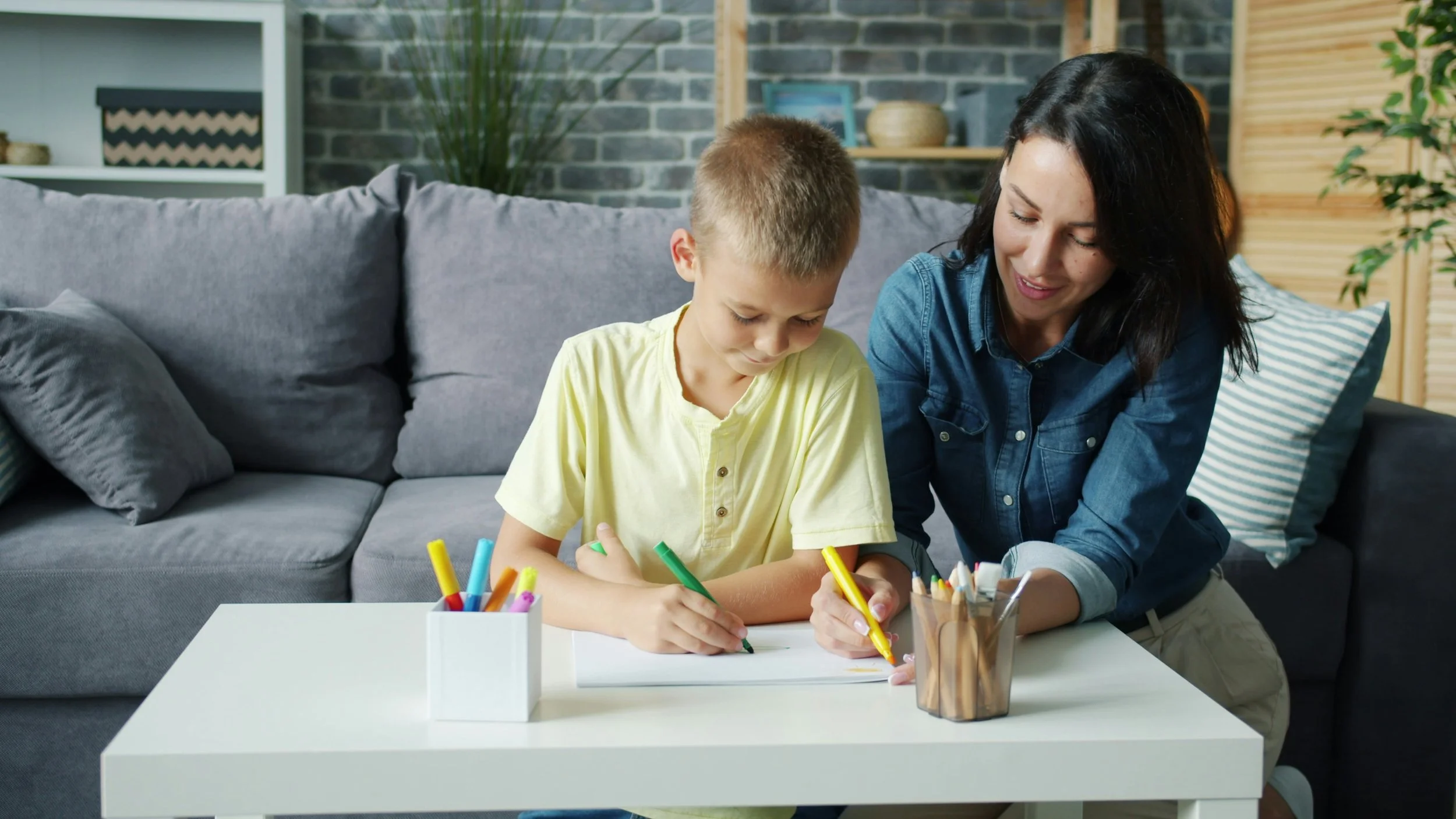
After school is often the hardest part of the day, whether your children are primary age or teenagers.
Children often arrive home tired, hungry, and overstimulated. They’ve spent hours following rules, managing emotions, concentrating, and navigating friendships, and now they’re over it. Parents and carers, meanwhile, are trying to switch out of work mode while thinking about dinner, homework, and the rest of the evening ahead.
It’s a lot!
Children who are irritable after school aren’t always just behaving badly; they are just trying to regulate their nervous system - a small ritual can help with that.
What makes a good after-school ritual
The most effective rituals have a few things in common:
They’re short (10–30 minutes is plenty)
They’re easily repeatable
They’re low-stimulation
There’s no pressure to talk, explain, or perform
After-school rituals that help kids unwind
A quiet snack
A familiar snack, eaten in the same place most days, can be incredibly grounding.
Food helps regulate blood sugar, and predictability helps regulate emotions. Keeping this time calm gives children space to get settled before being asked about their day.
Creative reset
Drawing, Lego, music, or simple crafts can help children process the day without needing words.
There’s no outcome to achieve and no instructions to follow. The value is in the doing, not the finished product.
You can combine this with parallel time, which is doing separate activities side by side. As an adult, you can do something like folding washing or enjoy your own colouring or crafts. The idea isn’t to bombard your child with questions but just to be close in a quiet way.
Outdoor decompression
A short walk, time in the garden, or even sitting outside for ten minutes can help reset overstimulated bodies. It doesn’t need to be energetic or purposeful. Slow, gentle movement is often enough.
Story or reading wind-down
Being read to remains soothing long after children can read independently.
Familiar stories, audiobooks, or quiet shared reading time create comfort through rhythm and repetition.
Don’t feel pressured to get it “right”
The idea of these rituals is to reduce stress, not create it. If a ritual doesn’t fit into your routine on a particular day, or it doesn’t work out quite how you planned, don’t panic.
Having a grandparent or GrandFriend can help with these rituals because they are often less rushed, less focused on outcomes, and more comfortable with quiet presence.